Source Aluminum Alloy Interface Module for Automation, Solar, and Industrial Control
Find and compare 30 aluminum alloy interface module options for industrial automation, solar cell applications, and power electronic components. Evaluate discrete and continuous signal variants, including linear models like S7 200 and X20CS1030, with automatic control and protection features.
Key considerations
Products List












Comprehensive Sourcing Guide
Aluminum Alloy Interface Module Sourcing Guide
The aluminum alloy interface module serves as a critical component in industrial automation and power electronic systems, facilitating robust signal transmission and thermal management. These modules are frequently deployed in environments requiring high durability and precise control, such as solar cell arrays, refrigeration units, and general industrial automation setups. Buyers must recognize that while the core material is aluminum alloy, the specific functional role varies significantly between discrete signal processing and continuous protection tasks, necessitating a clear definition of the intended application before initiating a search.
Procurement strategies for these modules must account for the diverse range of configurations available in the current market, from single-item sales to bulk industrial orders. The observed product landscape includes variations in signal types, ranging from discrete to continuous, and functional attributes that span from automatic control to simple adjustment tasks. Understanding these distinctions is essential for aligning the purchased hardware with the specific operational requirements of the end-user system, ensuring that the interface module can effectively handle the intended load and environmental conditions without failure.
Product Scope and Observed Listing Signals
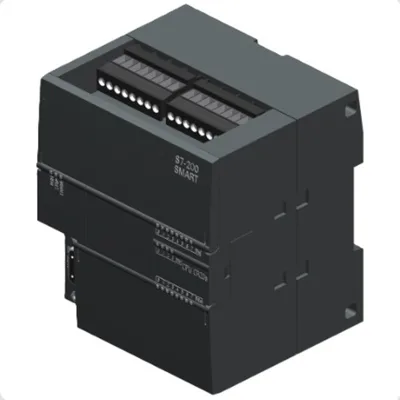
When evaluating product listings, buyers should look for specific indicators that confirm the module's suitability for their system architecture. The market data reveals a wide price spectrum, ranging from approximately $0.10 to over $2,600, which often correlates with the complexity of the internal circuitry and the specific model number, such as the PHM-7740 or S7 200 series. This variance suggests that a single keyword search will yield both basic interface components and advanced integrated circuit devices, requiring the buyer to scrutinize the detailed specifications to avoid purchasing an underpowered or over-engineered unit.
Packaging and origin details provide additional context regarding the logistics and handling requirements of the shipment. Listings frequently specify packaging types like boxes or carton boxes, with dimensions varying from compact 13x3x10 cm units to larger 30x20x10 cm configurations. Furthermore, the place of origin is predominantly noted as Beijing or Guangdong, China, which can influence shipping lead times and customs considerations. Buyers should verify these logistical details early to ensure that the physical dimensions of the module fit within their equipment enclosures and that the packaging is sufficient to protect the sensitive electronic components during transit.
Technical Specifications to Verify
The mathematical model and signal processing capabilities are paramount when selecting an interface module for a specific control loop. The available data indicates that some units operate on a linear mathematical model with digital signal processing, utilizing integrated circuit devices made from power semiconductor materials. It is crucial to verify whether the module supports the specific signal type required by the system, such as discrete signals for on/off control or continuous signals for analog regulation, as mismatching these parameters can lead to system instability or data loss.
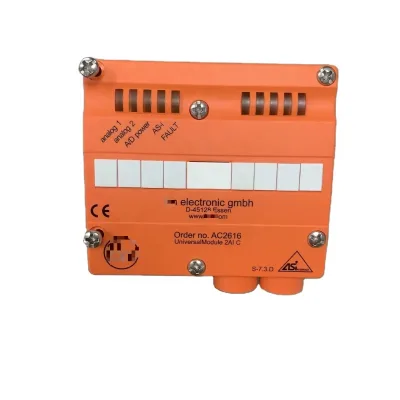
Physical and electrical characteristics must also be cross-referenced against the system's mechanical constraints. Specifications often include model numbers like AC2616 or X20CS1030, alongside standard dimensions that define the physical footprint of the component. Buyers need to confirm that the module's material composition, such as power semiconductors, aligns with the thermal and electrical demands of the application, particularly in high-stress environments like solar cells or power electronics. Additionally, the presence of customization options, whether non-customized or fully customized, should be assessed to determine if the standard off-the-shelf unit meets the exact interface requirements or if a tailored solution is necessary.
Compliance and Safety Documentation
Certification status is a non-negotiable aspect of procurement for industrial-grade interface modules, as it validates the product's adherence to safety and quality standards. The observed listings include certifications such as CCC, ISO, CE, and RoHS, which indicate compliance with various regional and international regulations. Buyers must request and verify these certificates for the specific batch of products being purchased, ensuring that the module is legally compliant for use in the target market and meets the necessary environmental and safety requirements for industrial deployment.
Warranty terms and quality assurances provide a safety net for the buyer against premature failure or manufacturing defects. The market data shows warranty periods ranging from six months to one year, with some suppliers explicitly stating "high quality" or "good" quality attributes. While these are positive indicators, buyers should treat them as observations rather than guaranteed performance metrics and seek written confirmation of the warranty scope, including what specific conditions are covered and the process for claiming repairs or replacements. This due diligence helps mitigate the risk of unexpected downtime and ensures that the supplier stands behind the reliability of the aluminum alloy interface module.
Cost Drivers and Commercial Terms
The total cost of ownership for an aluminum alloy interface module is influenced by several factors beyond the unit price, including minimum order quantities (MOQ) and payment terms. The observed MOQ ranges from 1 to 100 units, with specific listings indicating an MOQ of 2 or 2 pieces, which allows for flexibility in small-scale testing or prototyping. However, larger industrial projects may require negotiating bulk pricing, and buyers should be aware that the selling units are often listed as single items, which can impact the per-unit cost if the total order volume is low.
Payment and shipping logistics play a significant role in the commercial viability of the transaction. Suppliers typically accept a variety of payment methods, including PayPal, TT, Western Union, and Trade Assurance, offering different levels of security and convenience for the buyer. Shipping is commonly handled via major carriers like DHL, UPS, FedEx, or EMS, which affects the speed and cost of delivery. Buyers should evaluate these terms in the context of their cash flow and project timeline, ensuring that the payment method offers adequate protection and that the shipping carrier can meet the required delivery schedule without incurring excessive freight costs.
Supplier Qualification and Quality Control
Supplier qualification extends beyond the basic listing information to include the manufacturing technology and brand reputation associated with the product. The data indicates that some modules are manufactured using integrated circuit device technology and are branded under names like GFS or listed as "Other," which suggests a mix of established and generic manufacturers. Buyers should investigate the supplier's track record in producing power semiconductor components and verify their ability to maintain consistent quality, especially when the product is intended for critical applications like solar cells or refrigeration systems.
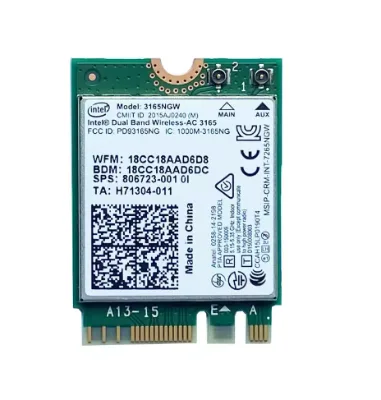
Quality control processes should be explicitly discussed with the supplier to ensure that the aluminum alloy interface modules meet the required performance standards. While listings may claim "high quality," buyers must request evidence of internal quality control measures, such as testing protocols for signal integrity and thermal performance. The presence of specific model numbers and part numbers, such as X20CS1030 or 3165NGW, allows for traceability, enabling the buyer to verify that the delivered goods match the ordered specifications and that the manufacturing process adheres to the claimed standards.
Long-Term Procurement Checks
Sustaining a reliable supply chain for aluminum alloy interface modules requires ongoing monitoring of product consistency and supplier performance over time. Buyers should establish a system for tracking the performance of specific model numbers, such as the PHM-7740 or S7 200, to identify any trends in failure rates or quality degradation. Regular audits of the supplier's manufacturing capabilities and adherence to certifications like RoHS and CE are essential to ensure that the long-term supply remains compliant and reliable, preventing disruptions in industrial automation or power electronic operations.
Future-proofing the procurement strategy involves staying informed about technological advancements and potential obsolescence of current interface modules. As the market evolves, new standards and signal processing technologies may emerge, rendering older models less suitable for modern applications. Buyers should maintain a relationship with their suppliers to stay updated on product roadmaps and alternative solutions, ensuring that the aluminum alloy interface modules remain compatible with future system upgrades and that the procurement strategy can adapt to changing industry requirements without significant retooling or redesign efforts.
FAQs
What certifications are available for aluminum alloy interface modules?
Available certifications include CCC, ISO, CE, and RoHS. These standards ensure compliance with regional safety and environmental regulations. Buyers should verify specific certification requirements for their target market before placing orders to ensure regulatory acceptance and product safety.
Can aluminum alloy interface modules be customized for specific applications?
Yes, customization is available for these modules. Options include tailored specifications and packaging solutions. Buyers can request non-customized or customized variants depending on their industrial automation needs. This flexibility allows for precise integration into existing systems and unique operational requirements.
What is the typical warranty period for these modules?
Warranty periods typically range from 6 months to 1 year. This coverage protects against manufacturing defects and ensures product reliability. Buyers should confirm the specific warranty terms with the supplier to understand the scope of support and return policies for their purchase.
How are aluminum alloy interface modules packaged for shipping?
Modules are packaged in boxes or carton boxes. Standard dimensions often measure around 30cm by 20cm by 10cm. This packaging protects the components during transit and ensures they arrive in good condition. Proper packaging is essential for maintaining product integrity in industrial settings.
What is the minimum order quantity for these modules?
The minimum order quantity is typically 2 pieces. This low MOQ allows buyers to test products before committing to larger volumes. It facilitates small-scale procurement for prototyping or initial industrial automation projects without requiring significant upfront inventory investment.
Where are these aluminum alloy interface modules manufactured?
Products originate from Beijing and Guangdong in China. These regions are known for industrial manufacturing capabilities. Buyers can expect consistent production standards and access to a robust supply chain. Origin information helps in assessing logistics and potential shipping times for international orders.